model-assisted writing does not usually fail because the prose is impossible. It fails because the surrounding system is too thin. The model receives a partial prompt, guesses missing facts, and produces a scene that sounds plausible while quietly violating canon.
Fixing continuity means giving the model less room to improvise on important facts. That requires structure outside the prompt itself.
The model is not your continuity system
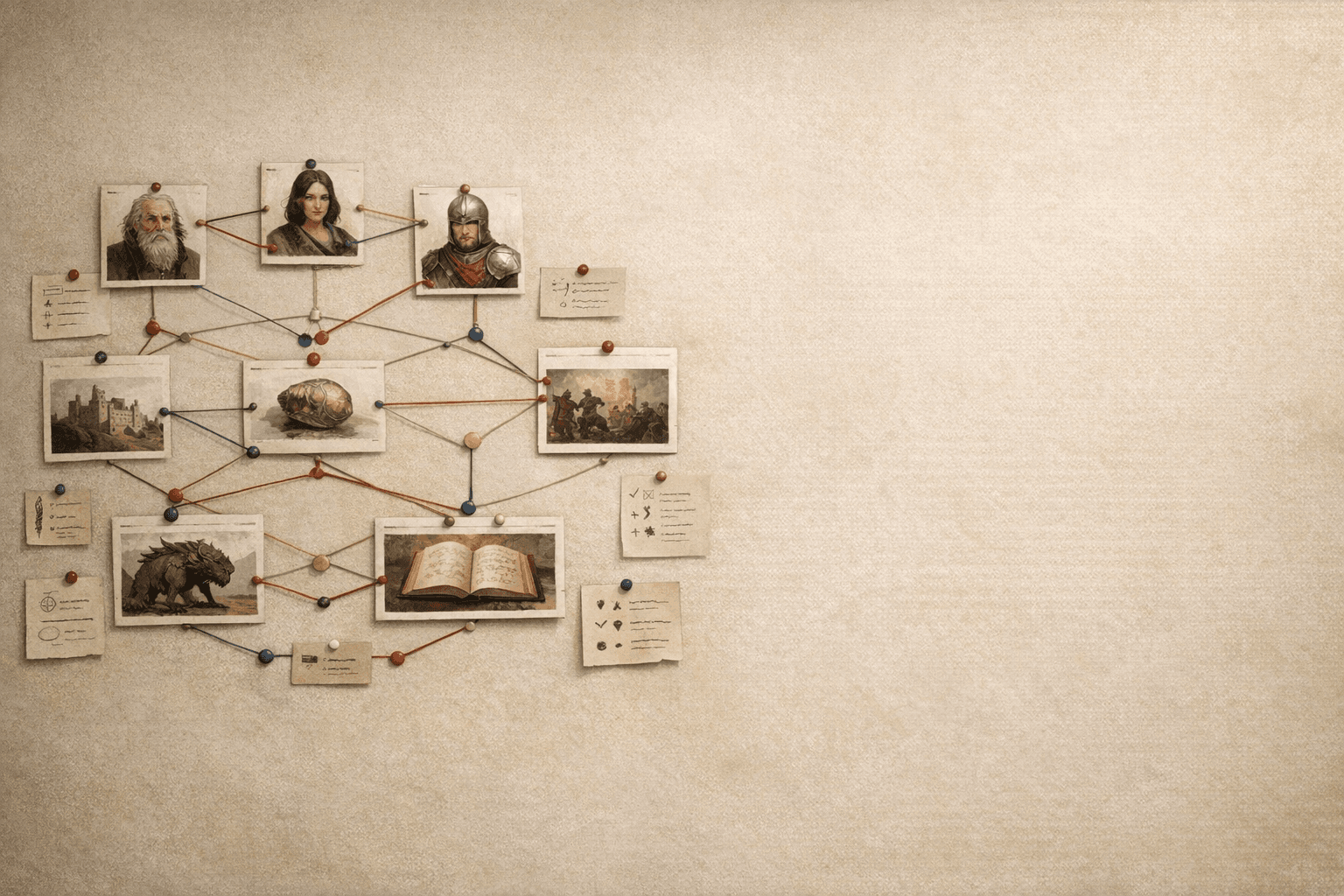
A model can help write within a world, but it should not be the only place that world exists. When canon lives only inside prompt text, every generation becomes a memory test with a shrinking context window.
The more often you restate important facts manually, the more likely you are to omit one under deadline pressure.
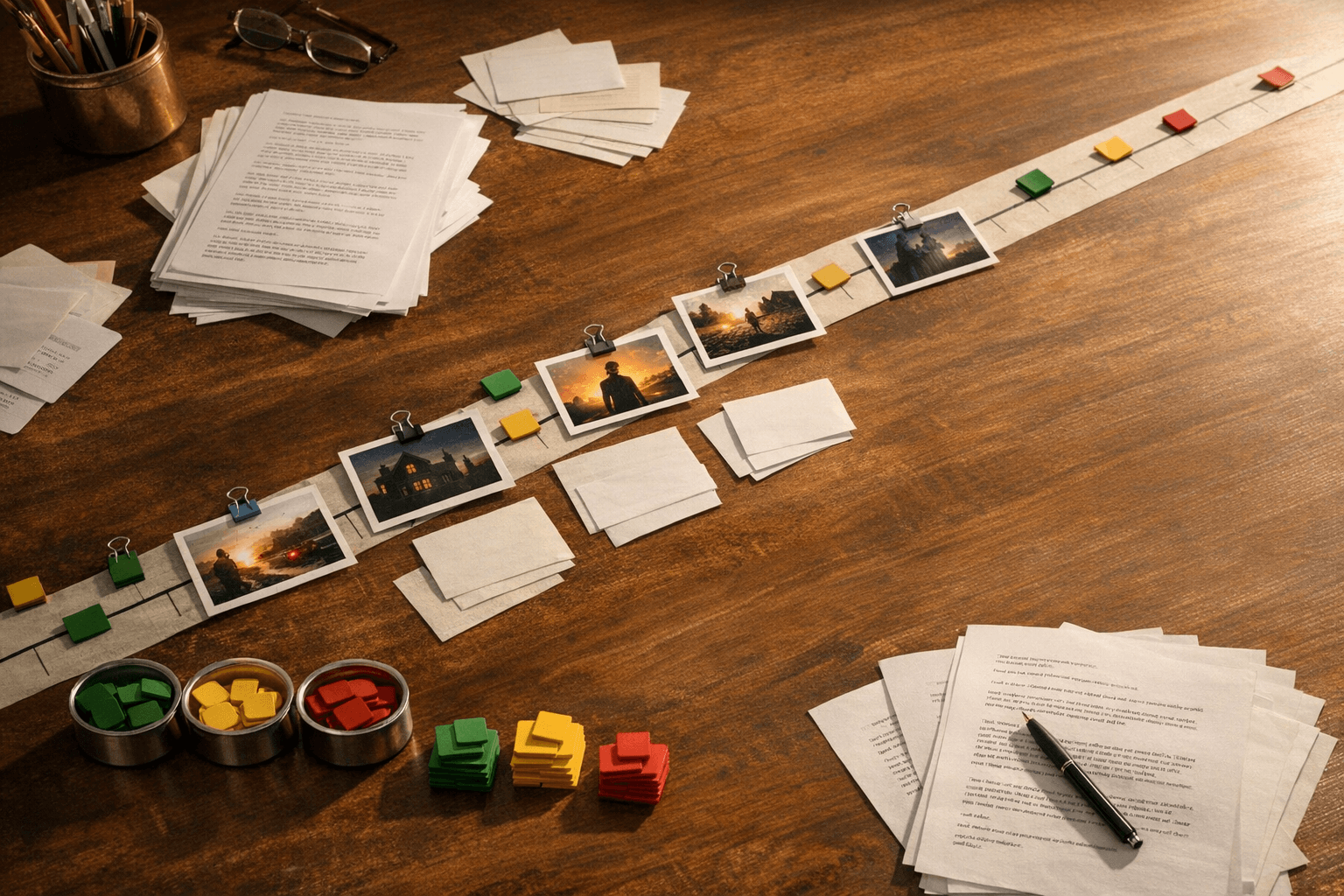
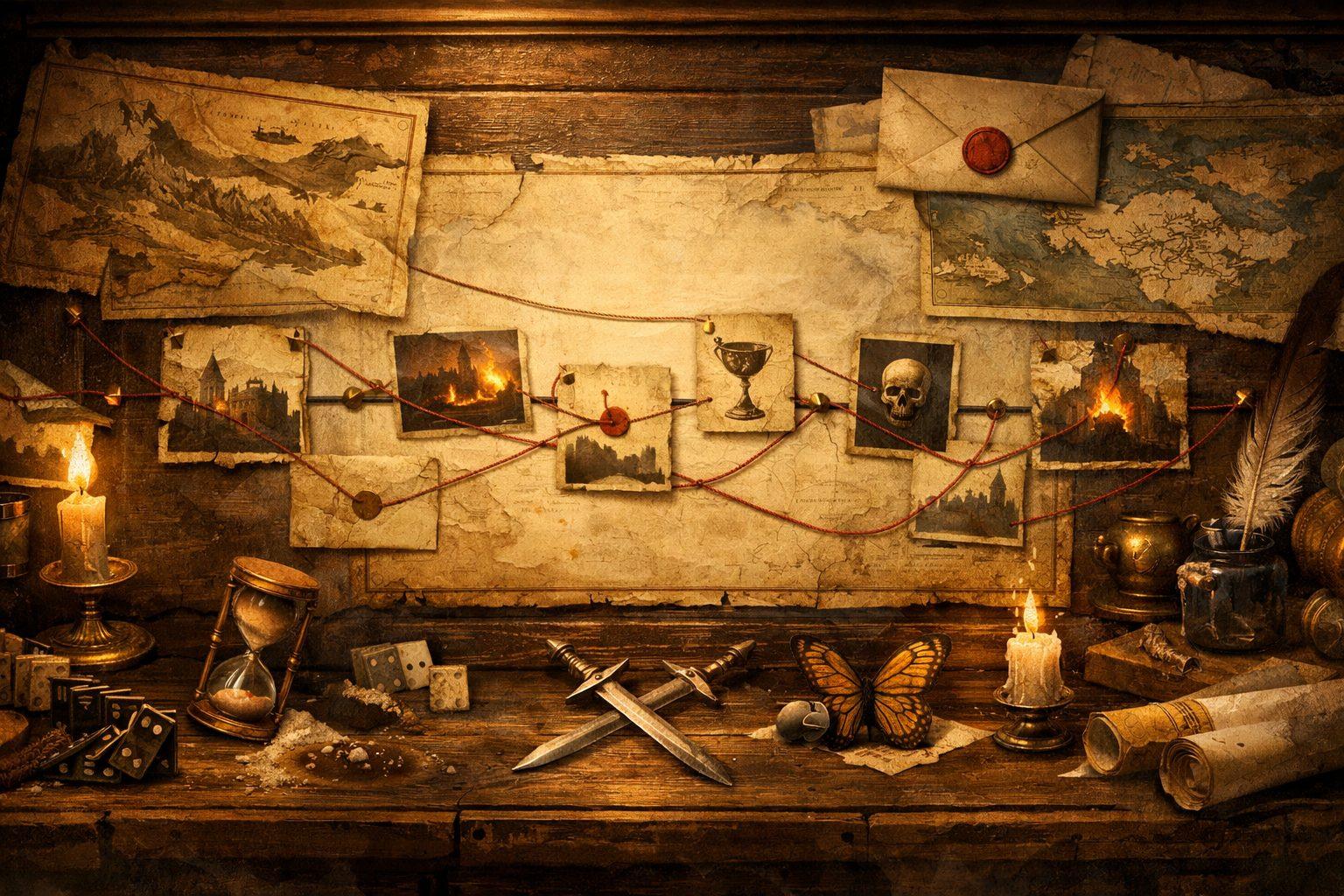
Continuity needs immutable events, not constantly overwritten summaries
If a character loses a title, changes allegiance, or suffers an injury, that change should become an event with a time and source. Overwriting a summary removes the explanation for why the truth changed.
Immutable history creates a stable chain of evidence. It also gives the system something concrete to cite when a new scene contradicts established continuity.
High-confidence links should be silent, low-confidence links should be reviewable
Not every reference needs manual confirmation. If the active paragraph clearly points to an existing character, location, or object, the system should link it quietly and keep the writer moving.
Ambiguous matches are different. Those should surface as suggestions with provenance so the room can decide without breaking focus.
Conflict handling has to live near the paragraph
Continuity warnings that appear hours later in a separate report are less useful than warnings that appear while the relevant paragraph is still active. Timing matters because revision effort compounds quickly.
The best continuity tooling stays adjacent to the sentence, points to the conflicting record, and explains what the system believes is true right now.
Visual canon matters because story memory is multimodal
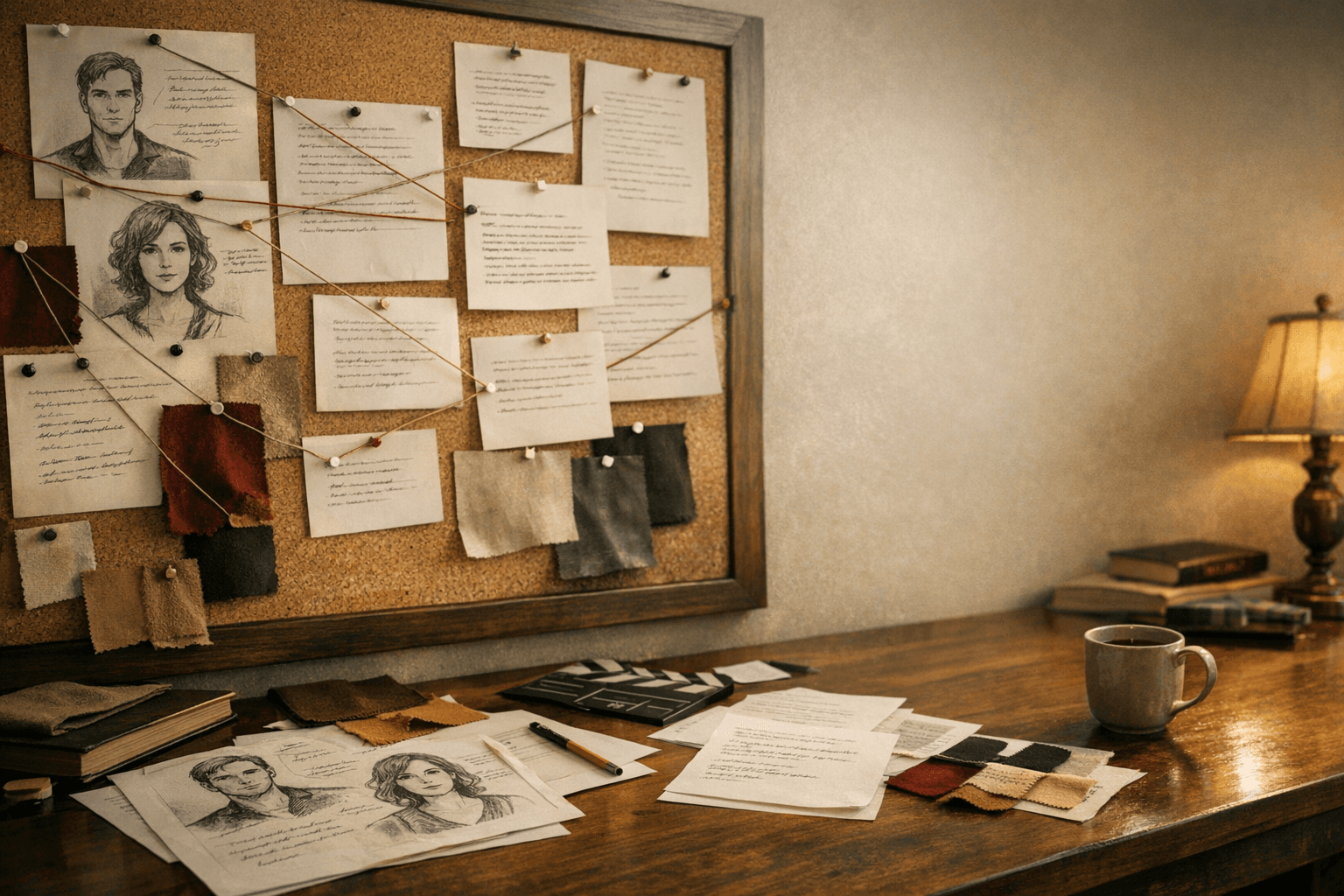
Teams often solve text continuity while ignoring the drift in costumes, props, or environments. That only moves the problem into another medium.
Canonical anchors for images, tied back to entries and events, help model-assisted story teams keep text and visuals reinforcing the same truth.